
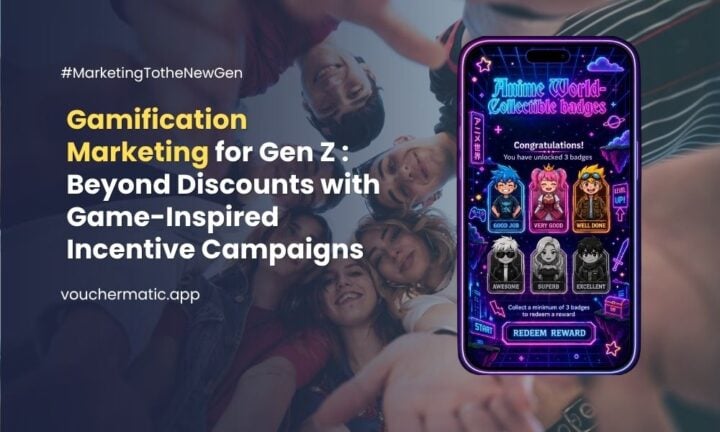
The next generation of consumers grew up inside virtual worlds — grinding quests, unlocking rare skins, and building digital identities in Roblox, Fortnite, and Minecraft.
If your brand is still trying to win their loyalty with a 5 points and a 10% coupon, you’re speaking a language they stopped listening to years ago. It’s time for gamification marketing for Gen Z & Gen Alpha.
Roblox users made 274 million avatar updates every single day in 2025. Not game moves. Not purchases. Avatar updates — adjusting how their digital selves look in the world.
And here’s what makes that number matter to every marketer in retail and e-commerce:
70% of those Gen Z users said wearing branded digital fashion made them more likely to consider that brand in the physical world.
Why Gen Z and Gen Alpha Think Differently
If this is the generation your loyalty program needs to retain, you need to understand that these two generations are wired differently, and the wiring runs directly through gaming.
Gen Alpha alone is expected to number, close to, 2 billion individuals —the largest generation in human history—and every single one of them has grown up inside digital ecosystems where status, customization, and community are not perks. They are the baseline expectation.
The brands that crack the code on next-gen loyalty will not do it through incremental discount optimization. Instead, they will do it by borrowing the most powerful retention engine the gaming industry has ever built: achievement-driven engagement.
Why Achievement Driven Game Design Works So Well
Gen Z and Gen Alpha do not experience brand loyalty as a financial transaction. They experience it as an extension of identity.
Think of Apple—not a brand people buy from, but a community people belong to. A loyalty program that makes customers feel seen, special, and part of something is not a nice-to-have. It is the only version that will retain their loyalty.
Three Achievement-Driven Game-Design Levers That Transform Incentive Programs
Lever 1: Trade Discounts for Digital Status
Traditional loyalty logic assumes the ultimate motivator is saving money. For Gen Z, that assumption is wrong — or at least incomplete.
Research from CORA/Harris Poll (2025) confirms that 40% of Gen Z weigh user experience just as important as practical factors like the interest rate or fees.
The experience is the reward.
In games, players grind for dozens of hours — not for a statistical advantage, but for a rare cosmetic item. A weapon skin. An exclusive outfit. Something that signals skill and identity to their community.
Indeed, the economics of digital status are psychological, not financial.
Translate this to your loyalty program.
Instead of “earn 100 points for a $5 voucher,” think:
“Complete three sustainable purchases and unlock the Eco-Warrior badge”.
The badge becomes a mark of identity.
Early access turns into social capital.
Neither costs you margin the way a discount does, and both deliver something a discount never can: a reason to belong.
This is a move from rewarding spending to rewarding behavior. Badges, titles, and milestone unlocks tied to specific actions create an achievement architecture that Gen Z and Alpha find intrinsically motivating.
74% of consumers say they will demonstrate brand loyalty if they engage in fun, gamified brand experiences.
Source: socialtargeter.com
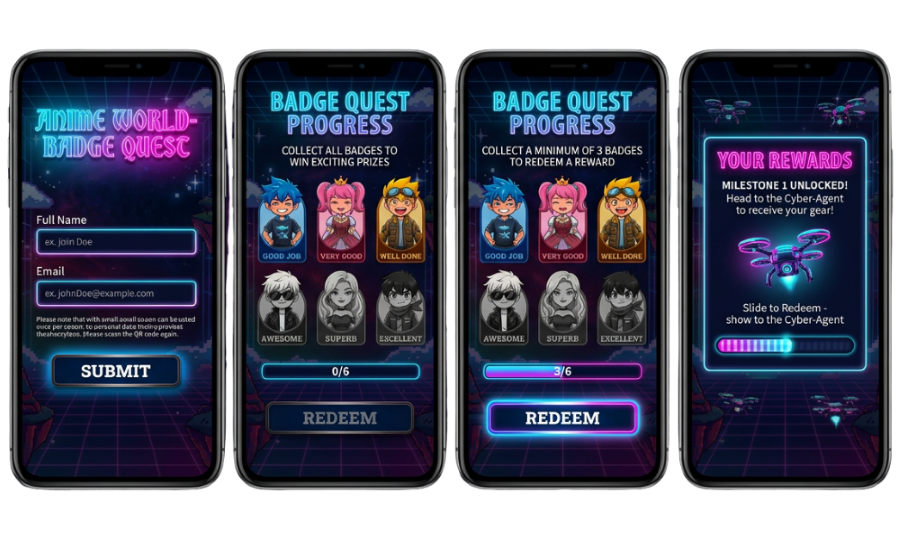
Lever 2: Build an Incentive Program They Can Make Their Own
Gen Z and Gen Alpha prioritize self-expression above almost everything else.
They meticulously curate their TikTok aesthetic, agonize over their gaming avatar’s color palette, and treat their digital profile as a legitimate extension of their identity.
If your marketing campaign lacks personalization,they will disengage.
More importantly, the games they play grant radical autonomy: choose your class, pick your playstyle, forge your own path.
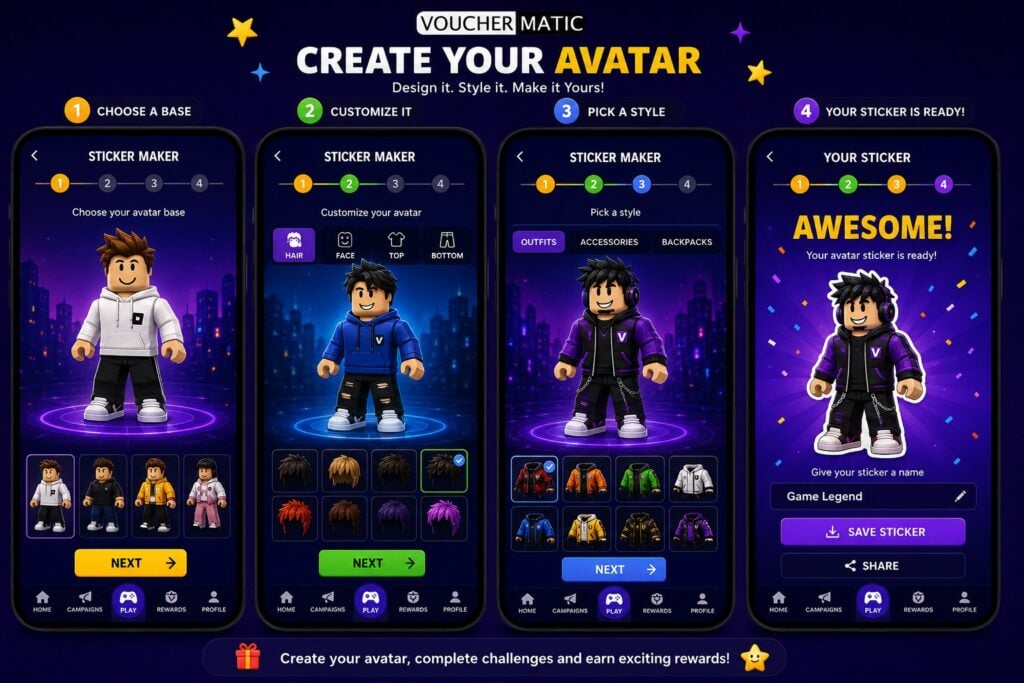
The solution is a “loot table” model or, in millennial marketer terms, a reward catalog — give users a curated set of rewards, and let them choose what they redeem. Let them personalize the look and feel of their loyalty profile. Let them select which “quest track” they want to pursue. When consumers invest their personal identity into a platform, the endowment effect kicks in — they value it more because it is theirs. Ownership creates retention.
Oracle data shows that 66% of Gen Z explicitly expect personalized brand experiences. Nearly half—45%—will abandon a brand entirely if it cannot anticipate what they need.
Source: superstaff.com | ORACLE
Lever 3: Turn Every Campaign into a Continuous Engagement Loop
Gen Z and Gen Alpha have grown up playing games designed around continuous progression, where every achievement unlocks another objective, every milestone reveals a new challenge, and there is always a reason to come back tomorrow.
This expectation has fundamentally changed how they respond to marketing.
Traditional incentive campaigns are transactional.
Scan a QR code. Upload a receipt. Redeem a voucher.
The interaction ends as quickly as it begins.
Games work differently. Every action creates another opportunity to engage.
The same principle should apply to your incentive marketing campaigns.
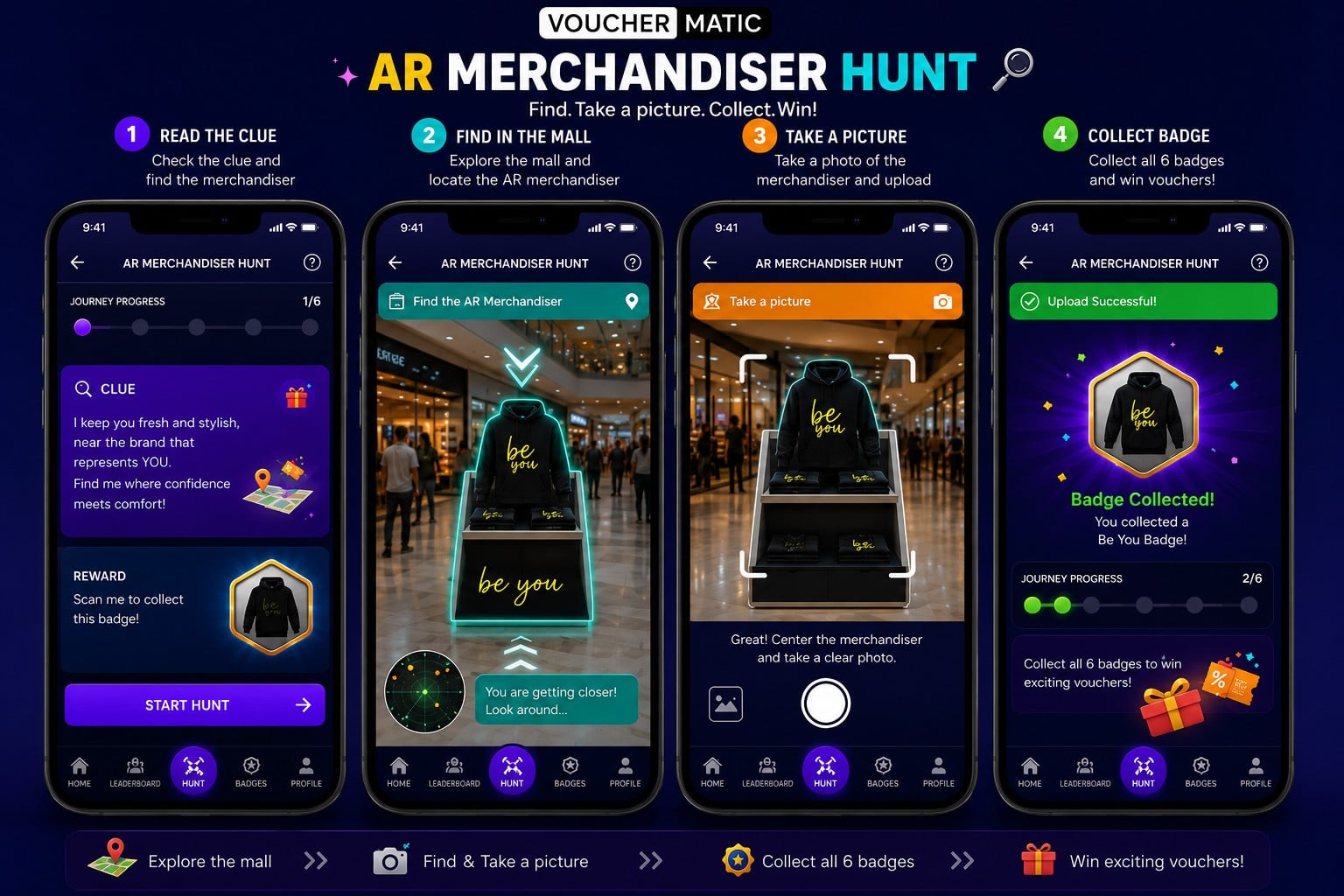
Rather than rewarding isolated actions, design campaigns around progressive missions, instant-win moments, collect-and-complete mechanics, and chance-based rewards that give Gen Z and Gen Alpha a compelling reason to return again and again.
Take a receipt upload campaign as an example.
Instead of simply rewarding every verified receipt with a voucher, each successful upload could earn a Spin & Win chance. Every new purchase becomes another opportunity to play, unlock an instant prize, collect more stamps, complete a mission, or move one step closer to a grand reward.
The campaign no longer ends after the first purchase. It creates anticipation for the next one.
The same approach can be applied across different campaign types:
- Upload receipts to earn Spin & Win chances.
- Complete multiple purchases to unlock a Mystery Box.
- Collect digital stamps across visits to earn exclusive rewards.
- Finish weekly missions to qualify for a Lucky Draw.
- Use Ai Based receipt verification to reward purchases from different product categories or stores
Each interaction builds upon the last, transforming a one-off promotion into an ongoing experience.
For Gen Z and Gen Alpha, every action feels like meaningful progress rather than another transaction.
The objection most CMOs raise here is entirely reasonable: “This sounds compelling, but we don’t have the engineering resources or budget to build a gaming platform on top of our existing stack.”
That objection collapses when you have the right infrastructure to deliver gamification marketing for Gen Z & Gen Alpha.
Vouchermatic is built precisely to slot this style of engagement mechanics into an existing digital ecosystem—modular, fast to deploy, and battle-tested across retail, F&B, and e-commerce brands in Southeast Asia.
The Bottom Line
With Vouchermatic, brands can easily orchestrate these continuous engagement loops by combining receipt verification, instant-win games, digital stamp cards, lucky draws, vouchers, and mission-based campaigns into a single gamified journey.
Instead of running isolated promotions, brands create incentive campaigns that keep Gen Z and Gen Alpha engaged long after the first purchase.
