The Power of Disengagement Tracking & Re-Engagement Incentives in Retail

featured image

Table of Contents

Festivals and holidays are undeniably the best times for retail for Engagement Marketing.

Campaigns such as GSS, Black Friday, Cyber Monday, 10.10, Christmas, and New Year consistently deliver above-average conversion rates.

In the U.S., eCommerce sales during Black Friday 2025 hit $11.8 billion, marking a 9.1% YoY increase. Globally, Black Friday spending reached $79 billion

Similarly, winter holiday sales continue to surge. According to NRF, holiday sales are expected to surpass $1 trillion.

But what happens during the rest of the year? let’s understand retail disengagement.

Why Most Retail Disengagement Happens Quietly

Disengagement happens quietly. You forget your customers and the customers forget you.

The real opportunity lies:
Not in winning a festival.
Not in acquiring more first-time buyers.
But in re- engaging the customers who already raised their hand.

The Hidden Cost of Disengagement

Research shows that acquiring a new customer is five to 25 times more expensive than retaining an existing one. A study by Bain & Company confirms this gap.

Yet many retailers still focus their energy and spend their budget on acquisition—while existing customers slowly drift away.

Customer  disengagement rate =  number of customers lost / the total number of customers at the beginning of that period.  

Retailers often assume customers leave because they dislike the product

In reality, most customers don’t leave intentionally.
They simply fade away—because nothing pulls them back.

Disengagement: The Metric Brands Ignore

Marketers track sales, visits, redemptions, and ROI.
However, they rarely track silence.

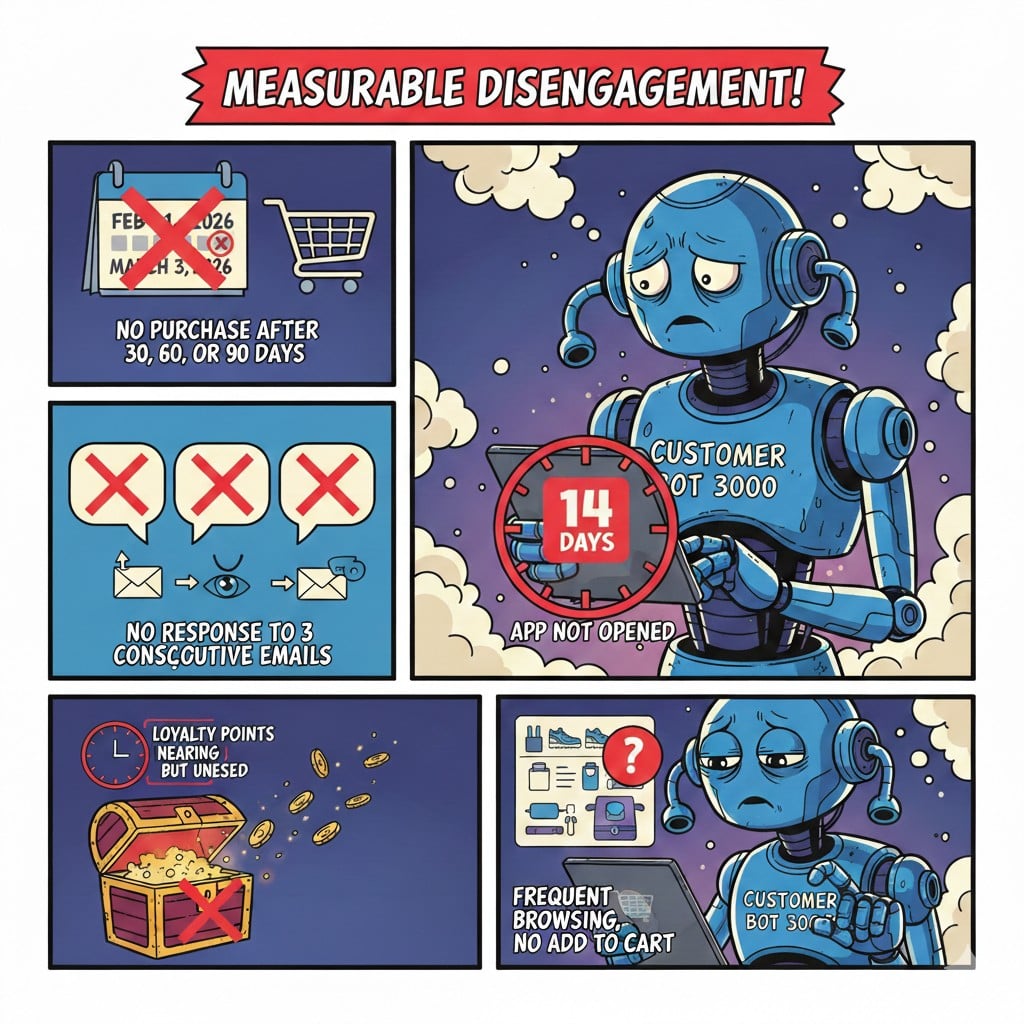
Yes, disengagement is measurable.

It shows up as:

  • No purchase after 30, 60, or 90 days.
  • No response to three consecutive emails.
  • App not opened for 14 days or more.
  • Loyalty points nearing expiry but remaining unused.
  • Frequent browsing without ever adding to cart.
Engagement Marketing

Most businesses don’t know how many customers are silently slipping away.
And if you can’t measure disengagement, you can’t reverse it.

Turning Inactivity Into Re-Engagement (Engagement Marketing)

The mindset shift is simple—but powerful:

From: “Customers are inactive.” to: “The system detects inactivity and acts before churn happens.”

Disengagement shouldn’t live inside a report.

It should trigger action.

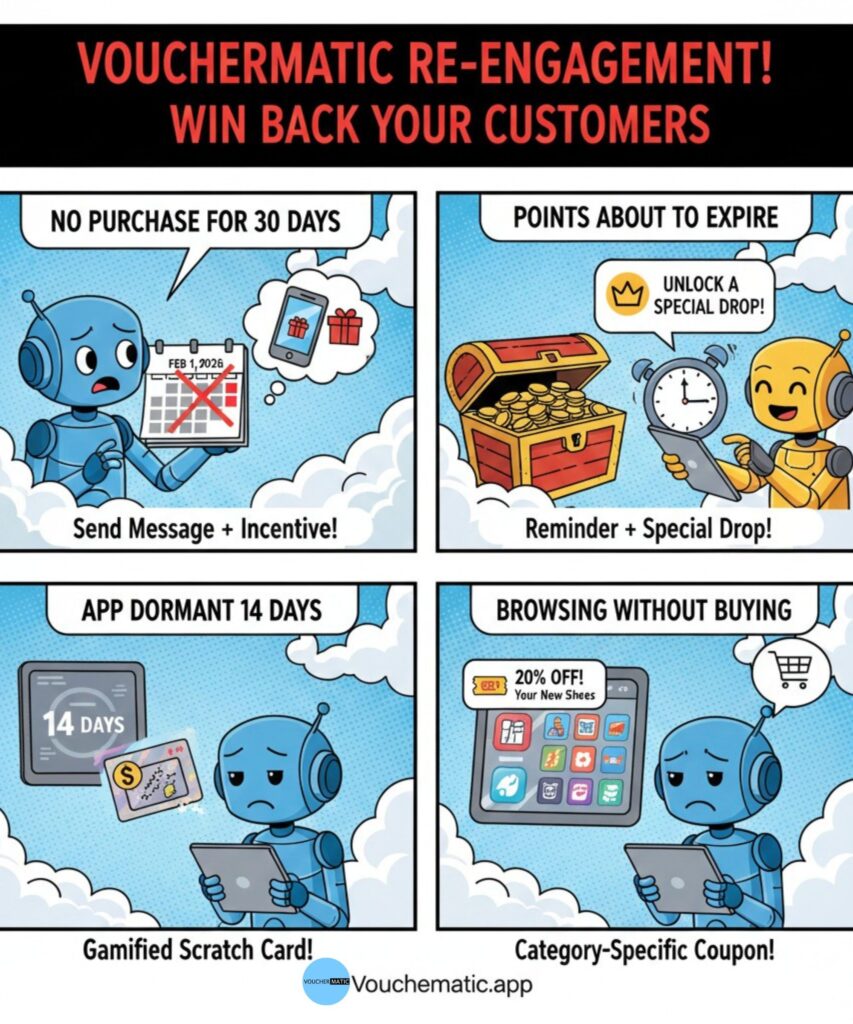
For example, marketers can activate rules such as:

  • If no purchase for 30 days → send a message/email/WhatsApp with an incentive.
  • If loyalty points are about to expire → send a reminder + “Use points to unlock a special drop”.
  • If the app is dormant for 14 days → unlock a gamified scratch card.
  • If browsing without buying → issue a category-specific coupon for the abandoned SKU.
Image of re- engagement marketing incentives
Re-engagement marketing tactics

This approach works because existing customers spend 67% more on average than new customers

At first glance, offering incentives may feel like a cost.

In reality, they’re often the only thing protecting the value you’ve already paid to acquire.

Understanding CLV + CAC

To understand why, it helps to look at customer lifetime value (CLV) and customer acquisition cost (CAC) together — not as formulas, but as a relationship.

CLV represents the total revenue a customer generates over the course of their relationship with your brand.
Not what they could spend — but what they actually spend if they stay engaged.

A customer might be worth $5,000 over five years on paper.
But that value only exists if they’re still around in year two.

CAC, on the other hand, is paid upfront.
Marketing spend, sales effort, incentives — all incurred before you know whether the customer will return.

This creates a quiet risk most brands underestimate.

When a customer disengages after just one transaction, the loss isn’t the next purchase.
It’s the collapse of lifetime value — while acquisition costs remain fully incurred.

In other words, you’ve paid the full CAC… but only recovered a fraction of the CLV.

This is where silence becomes expensive.

Why the Right Incentive Beats Discounts

Not every customer needs a discount.

Often, they need a reason to return—one that feels relevant.

Effective incentives can be:

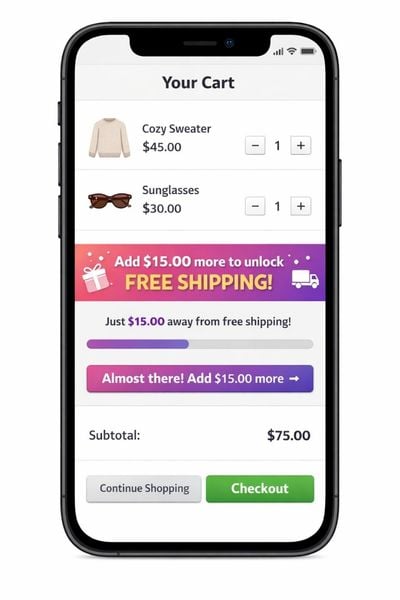
Conditional

Add item worth $X to unlock free shipping
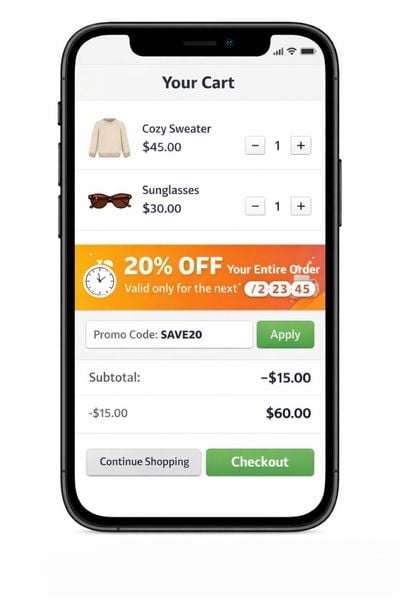
Time-bound

Valid only for the next 72 hours, next 2 days
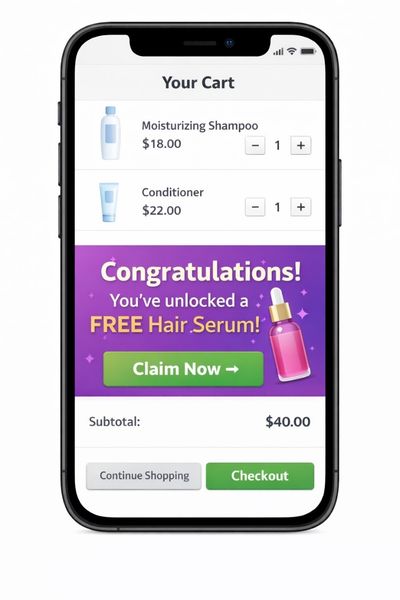
Personal

Beauty lovers receive cosmetic vouchers;
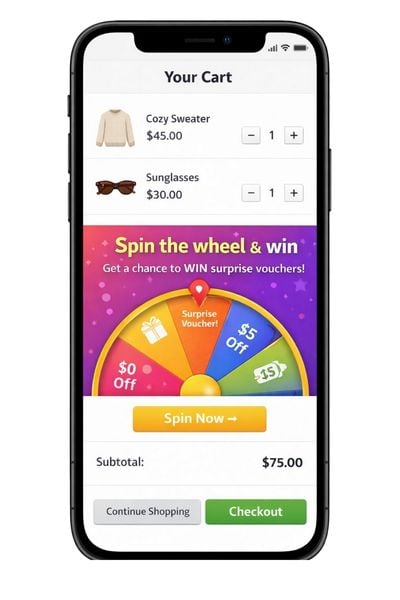
Gamified

Spin-to-win, mystery boxes, trivia, or puzzles.
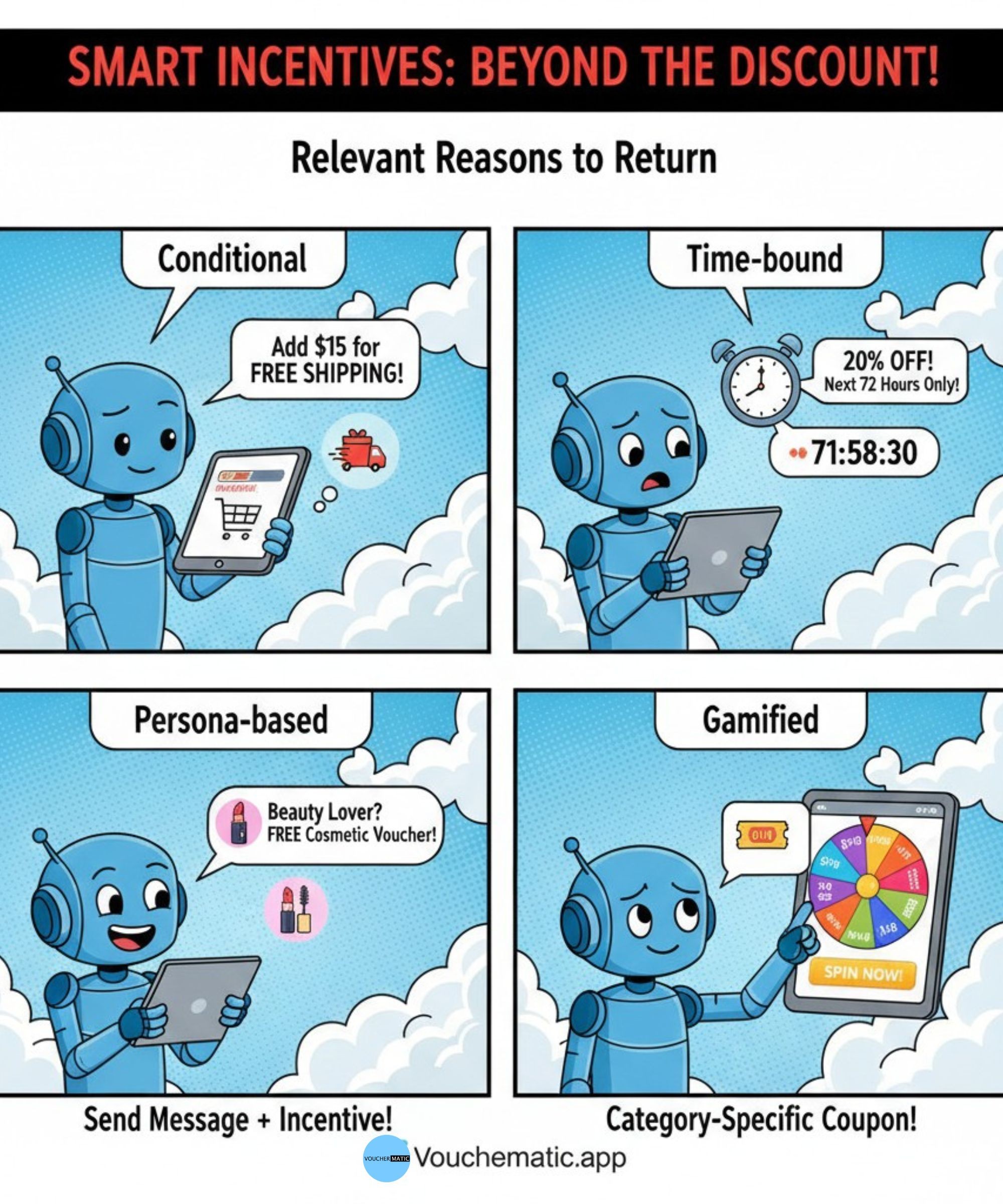
Image of types of engagement incentive

When disengagement triggers meet contextual rewards,
re-engagement stops feeling like a campaign—and starts feeling personal.

From Campaigns to a Re-Engagement System

Sometimes, 10% off isn’t enough.
But aspiration works.

Aspirational incentives tap into emotion, status, and scarcity—powerful drivers of action.

Brands often use:

  • Limited-edition collectibles (only 500 available—FOMO works.
  • High-demand internet products (trending tech, viral accessories).
  • Seasonal exclusives (Diwali mugs, Christmas plush—loyalty-only redemption).
  • Experience drops (spa vouchers, VIP checkout, early product access).

These rewards convert silent disengagement into renewed action—without shouting.

retail-luckydraw

Why This Works
Re-engagement isn’t about louder messaging.
It’s about responding automatically when customers drift—and offering a reason to return that feels personal, scarce, or emotionally rewarding.

Technology That Enable This

Vouchermatic enables marketers to:

  • Detect disengagement and trigger action.
  • Define rules once—the system executes daily.
  • Deliver incentives across SMS, WhatsApp, App, and Web.
  • Run limited-seat drops, collectibles, and reward-gated entries.
  • Unify loyalty, coupons, incentives, and gamification into a single workflow.

The marketer stays the strategist…….The system handles execution.

If disengagement remains invisible, revenue leakage will continue quietly.
Make the silence visible—and act before it costs you more.

Discuss your strategy.