
Neuromarketing in Retail: How to Design Incentive Campaigns That Speak to the Subconscious Mind

neuromarketing in retail

Read this blog to learn

95% of our buying decisions are made subconsciously.
That means most purchase decisions — from picking a shampoo to choosing where to eat — aren’t purely logical.

They’re emotional, automatic, and driven by subtle cues that shape what we feel rather than what we think.

For retail marketers, that’s both a challenge and an opportunity.

If your campaigns only appeal to reason (“Buy now, save 10%”), you’re competing in a noisy crowd.

But if your campaigns reach people on a subconscious, emotional level, ( XXX people purchased this) you start to influence behavior — not just attract attention.

Welcome to neuromarketing, where psychology meets retail incentives.

Why Feelings Drive More Sales Than Facts

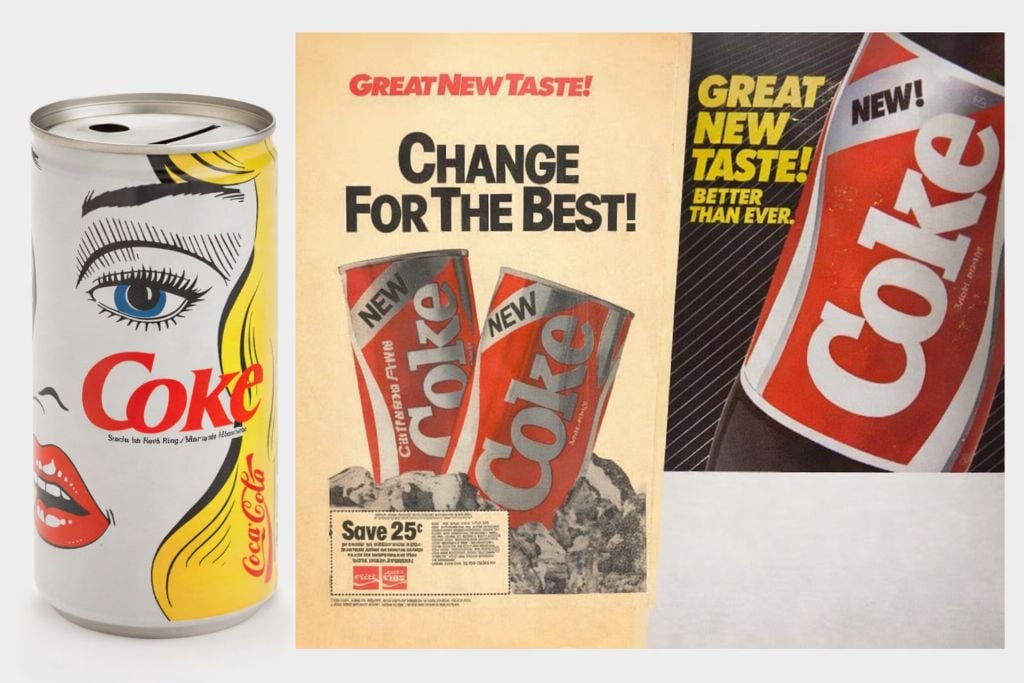
Image of classic coke & new coke marketing ad
Image Credit: This image is from : coca-colacompany.com

Consumers don’t buy because of what your product is.
They buy because of how it feels.

When Coca-Cola replaced “Classic Coke” in the 1980s with a “better tasting” version, the logic checked out — taste tests proved people preferred it. But sales collapsed. Why?

Because they ignored the emotional connection people had with the brand experience — nostalgia, comfort, happiness. Logic couldn’t replace memory.

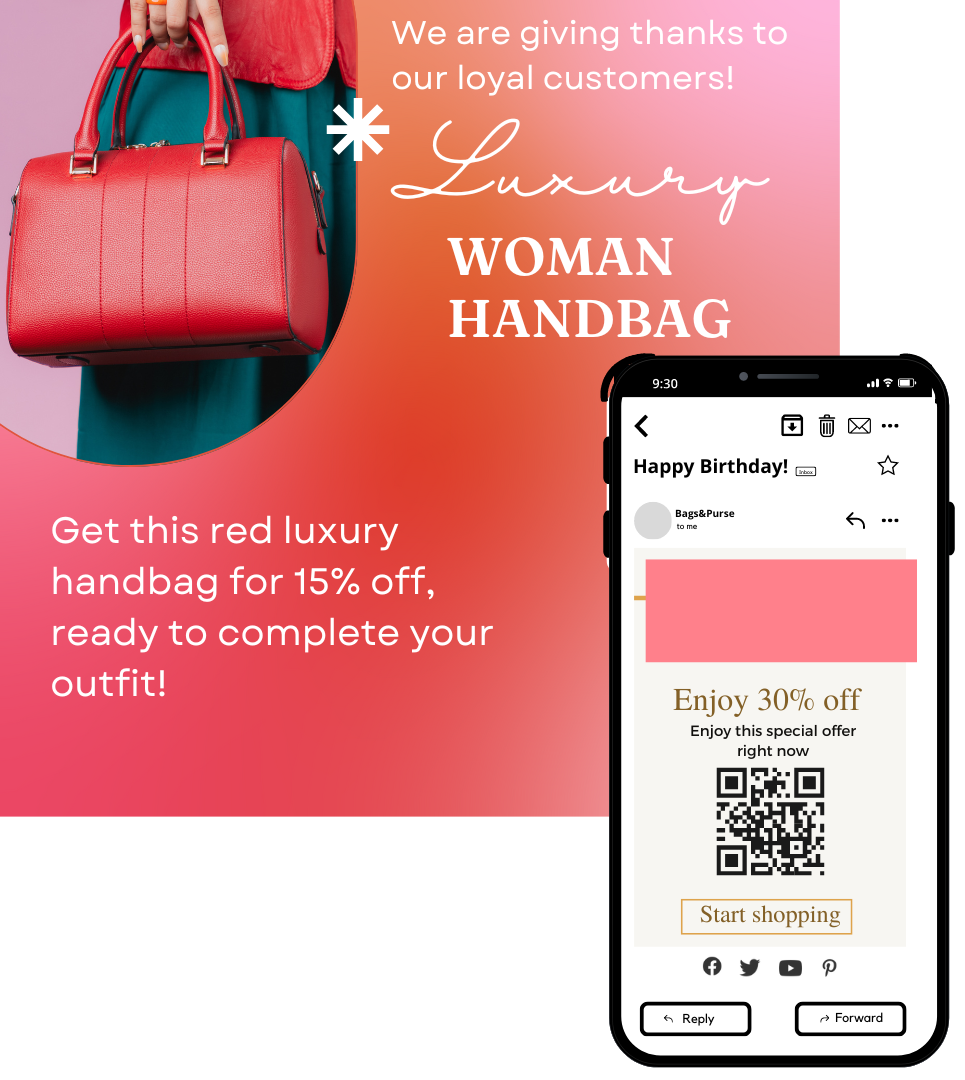
The same principle applies to your promotions. A 10% discount feels transactional; a “Thank you for being part of our story — enjoy this exclusive treat” feels emotional

The offer is the same. The feeling is different — and so is the impact.

handbag-sale-social media

The Neuromarketing Principles Behind Better Incentive Design

Let’s decode a few subconscious triggers marketers can use — ethically — when designing incentive campaigns through platforms like Vouchermatic.

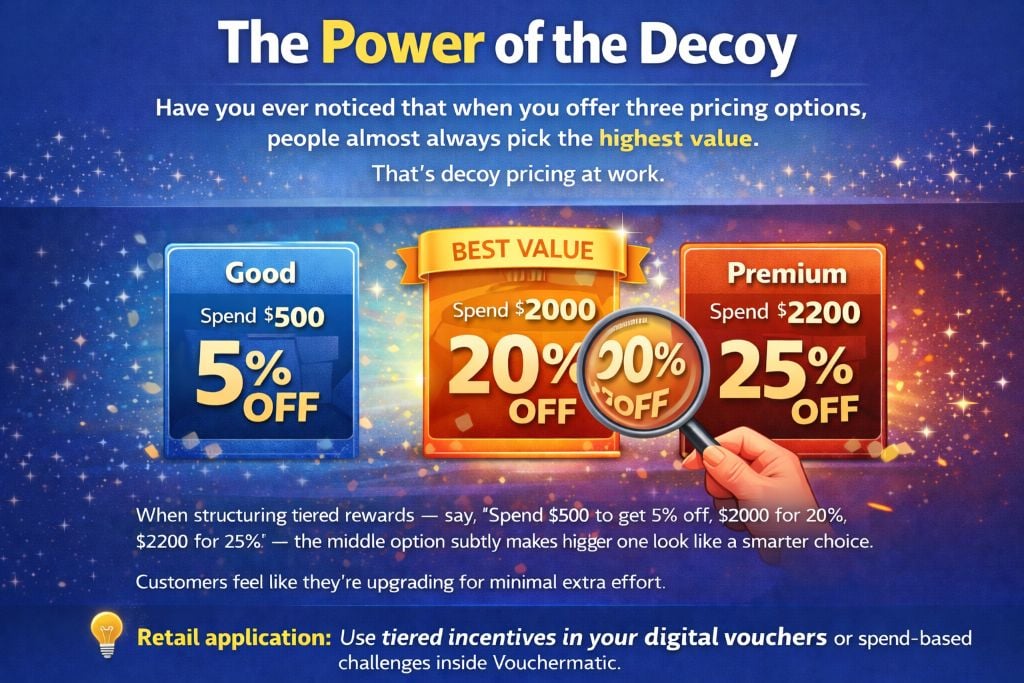
a. The Power of the Decoy

Have you ever noticed that when you offer three pricing options, people almost always pick the middle or the “best value” one?

That’s decoy pricing at work.

When structuring tiered rewards — say, “Spend ₹500 to get 5% off, ₹2000 for 20%, ₹2200 for 25%” — the middle option subtly makes the higher one look like a smarter choice.

Customers feel like they’re upgrading for minimal extra effort.

🧠 Subconscious message: “I’m getting more value for just a little more.”

💡 Retail application: Use tiered incentives in your digital vouchers or spend-based challenges inside Vouchermatic.

Image of how power of decoy principle can work in Retail

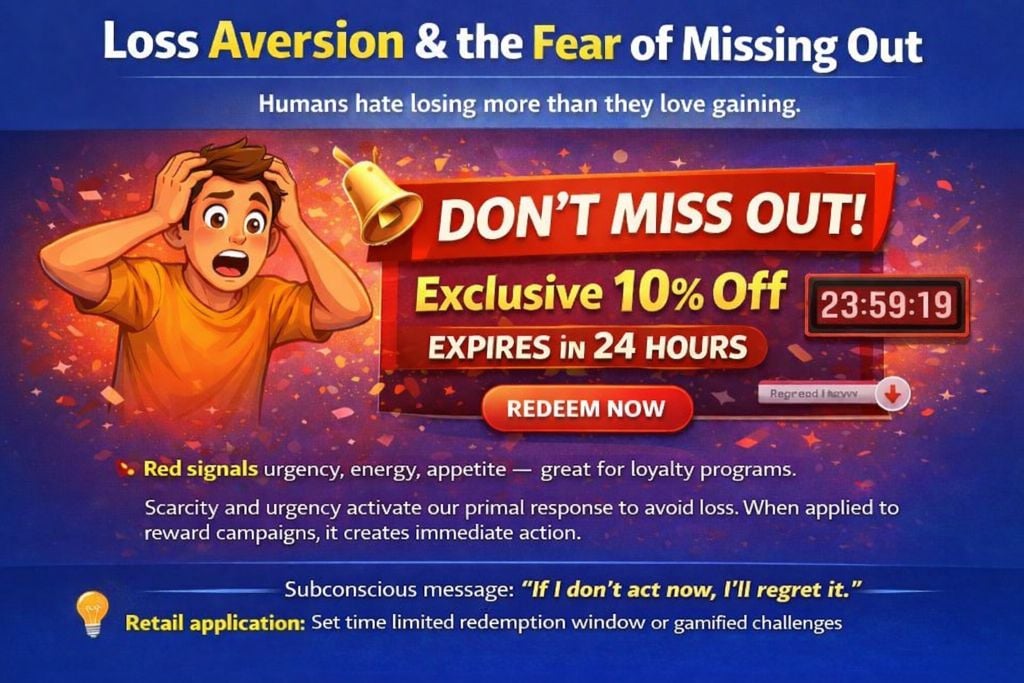
b. Loss Aversion & the Fear of Missing Out

Humans hate losing more than they love gaining.

So, “Get 10% off” is fine — but “Don’t miss your exclusive 10% off — expires in 24 hours” is powerful.

Scarcity and urgency activate our primal response to avoid loss. When applied to reward campaigns, it creates immediate action.

🧠 Subconscious message: “If I don’t act now, I’ll regret it.”

💡 Retail application: Set time-limited redemption windows or gamified challenges that “unlock” bonuses — a digital version of “catch it before it’s gone.”

Image of application of FOMO tactics in marketing

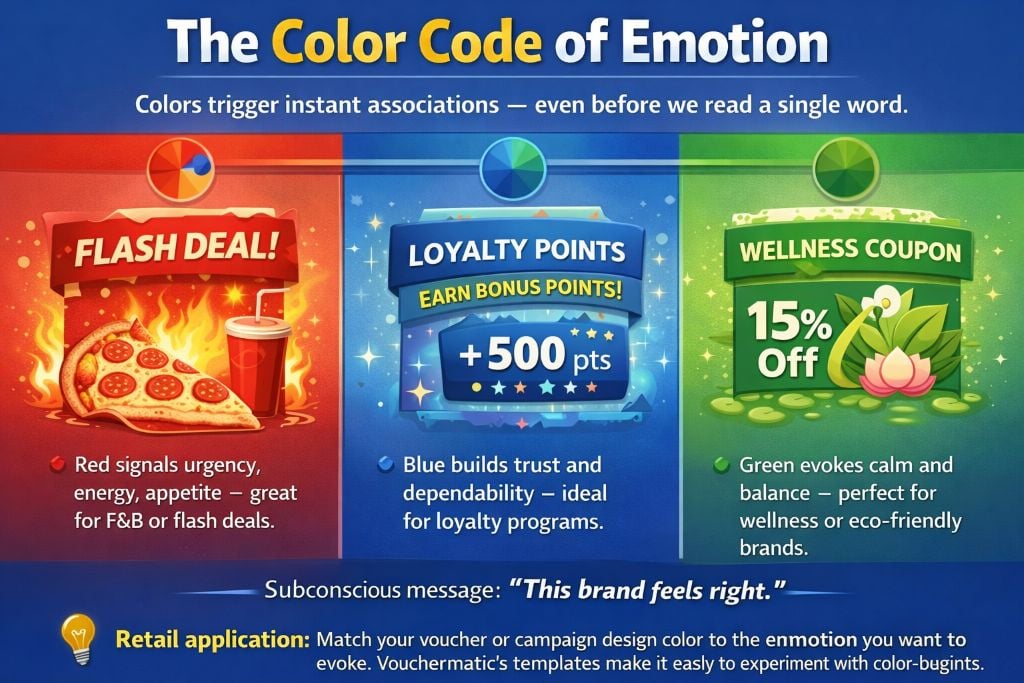
c. The Color Code of Emotion

Colors trigger instant associations — even before we read a single word.

  • Red signals urgency, energy, appetite — great for F&B or flash deals.
  • Blue builds trust and dependability — ideal for loyalty programs.
  • Green evokes calm and balance — perfect for wellness or eco-friendly brands.

🧠 Subconscious message: “This brand feels right.”

💡 Retail application: Match your voucher or campaign design color to the emotion you want to evoke. Vouchermatic’s templates make it easy to experiment with color-based variants.

Image of colour emotiona in Retail

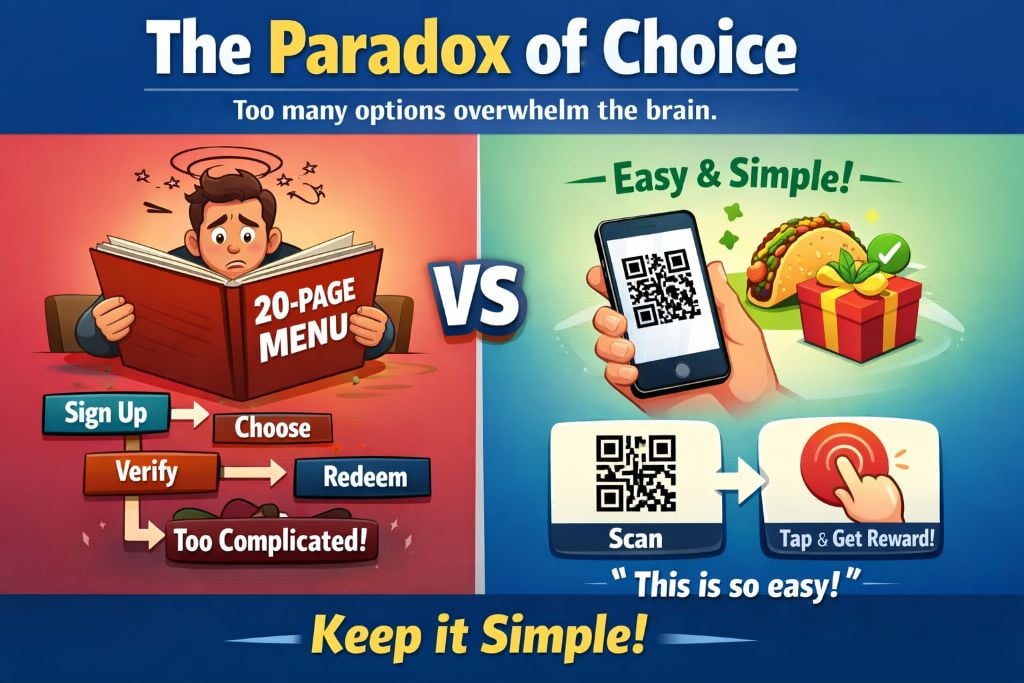
The Paradox of Choice

Too many options overwhelm the brain.
That’s why streamlined experiences like Chipotle win over 20-page menus.
If your offer journey has too many steps — “Sign up → choose → verify → redeem” — your customer’s brain will fatigue and drop off. Simplify it. Remove friction. Use QR-based participation or one-tap redemption.

🧠 Subconscious message: “This is easy. I can do this now.”

💡 Retail application: Keep incentive journeys short, single-purpose but scalable and possible to make changes as and when required.

Image of how offering too many choices can destroy your promotion offer

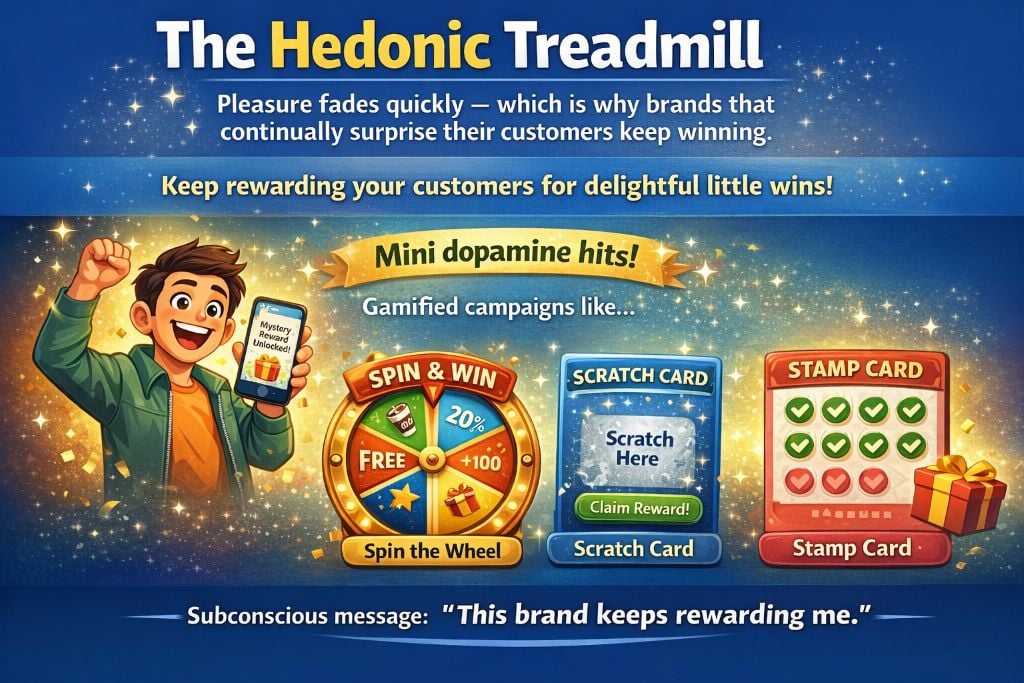
The Hedonic Treadmill

Pleasure fades quickly — which is why brands that continually surprise their customers keep winning.

A single big campaign won’t build long-term engagement. But a series of small, delightful wins (e.g., “You’ve unlocked a mystery reward!”) sustains excitement.


🧠 Subconscious message: “This brand keeps rewarding me.”
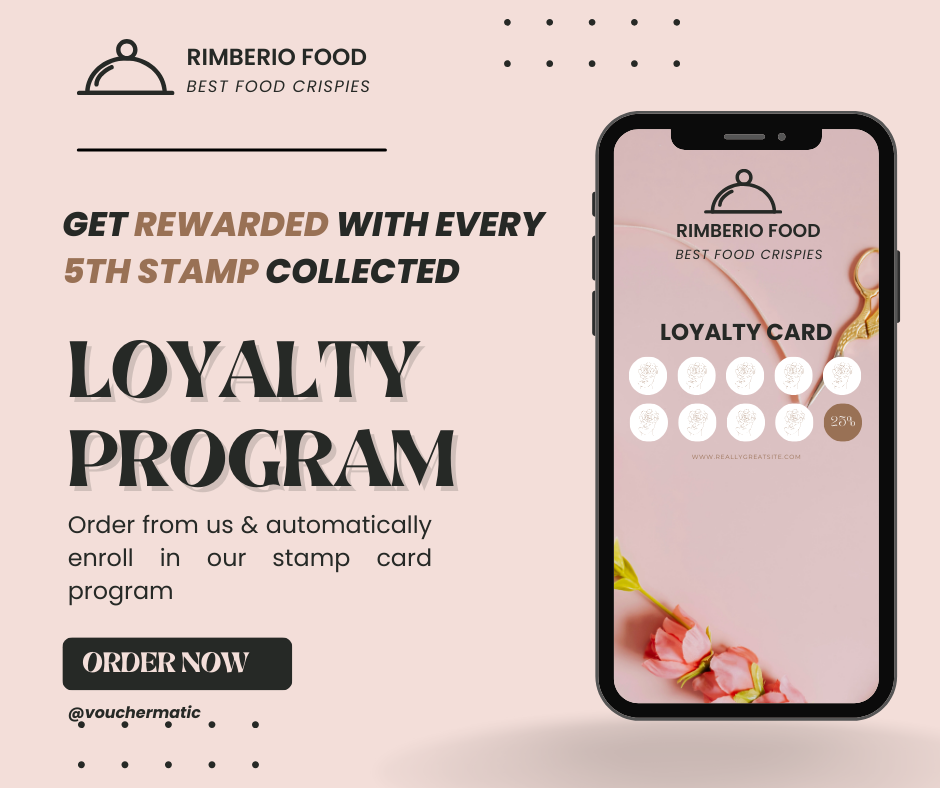
💡 Retail application: Use Vouchermatic’s gamified campaigns — spin-the-wheel, scratch cards, or stamp cards — to create mini dopamine hits over time.

🧠 Subconscious message: “This brand keeps rewarding me.”

💡 Retail application: Use Vouchermatic’s gamified campaigns — spin-the-wheel, scratch cards, or stamp cards — to create mini dopamine hits over time.

Image of introducing small but frequent incentives in Retail

3. Designing Incentives That Feel Good (Not Manipulative)

Neuromarketing isn’t about tricking customers — it’s about understanding how they naturally respond to value and emotion.

Ethical marketers use these insights to design reward journeys that respect human psychology:

  • Replace “Buy more” with “Celebrate your next visit.”
  • Use curiosity (“You’ve unlocked something special…”) to engage.
  • Personalize timing and tone based on purchase history.
  • Reward loyalty with experiences, not just discounts.

The goal? To make every reward feel like a win.

loyalty-program

4. Finding Your Hidden Opportunities

Just as neuromarketers use fMRI (functional Magnetic Resonance Imaging) and eye-tracking, retailers can use data to see what triggers conversions.

  • Behavior analytics (through Google Analytics) show where people drop off.
  • Redemption data from Vouchermatic shows which campaigns spark repeat visits.
  • A/B testing different visuals, copy, or incentive structures can uncover subconscious preferences.

🧩 Every small insight adds up — and those small tweaks can double your conversions.

Final Thoughts: Marketing That Feels Human

Neuromarketing reminds us of one truth:

Consumers aren’t data points; they’re emotional beings making fast, subconscious decisions.
When your brand connects through emotion, design, and thoughtful incentives — you stop selling and start resonating.

Incentives, when done right, aren’t bribes.
They’re reinforcements — signals that say “We see you. We value you.”
That’s what turns casual shoppers into loyal advocates.

About Vouchermatic

Vouchermatic opens up world of possibilities to help the retail, FMCG, F&B, and hospitality sector primarily to design intelligent, gamified, and emotionally engaging incentive campaigns — from digital vouchers to stamp cards and instant rewards — all built with modern technology that can scale across regions and languages.

Start designing smarter, outcome-based incentives with Vouchermatic — where technology and psychology work together to create real impact.
