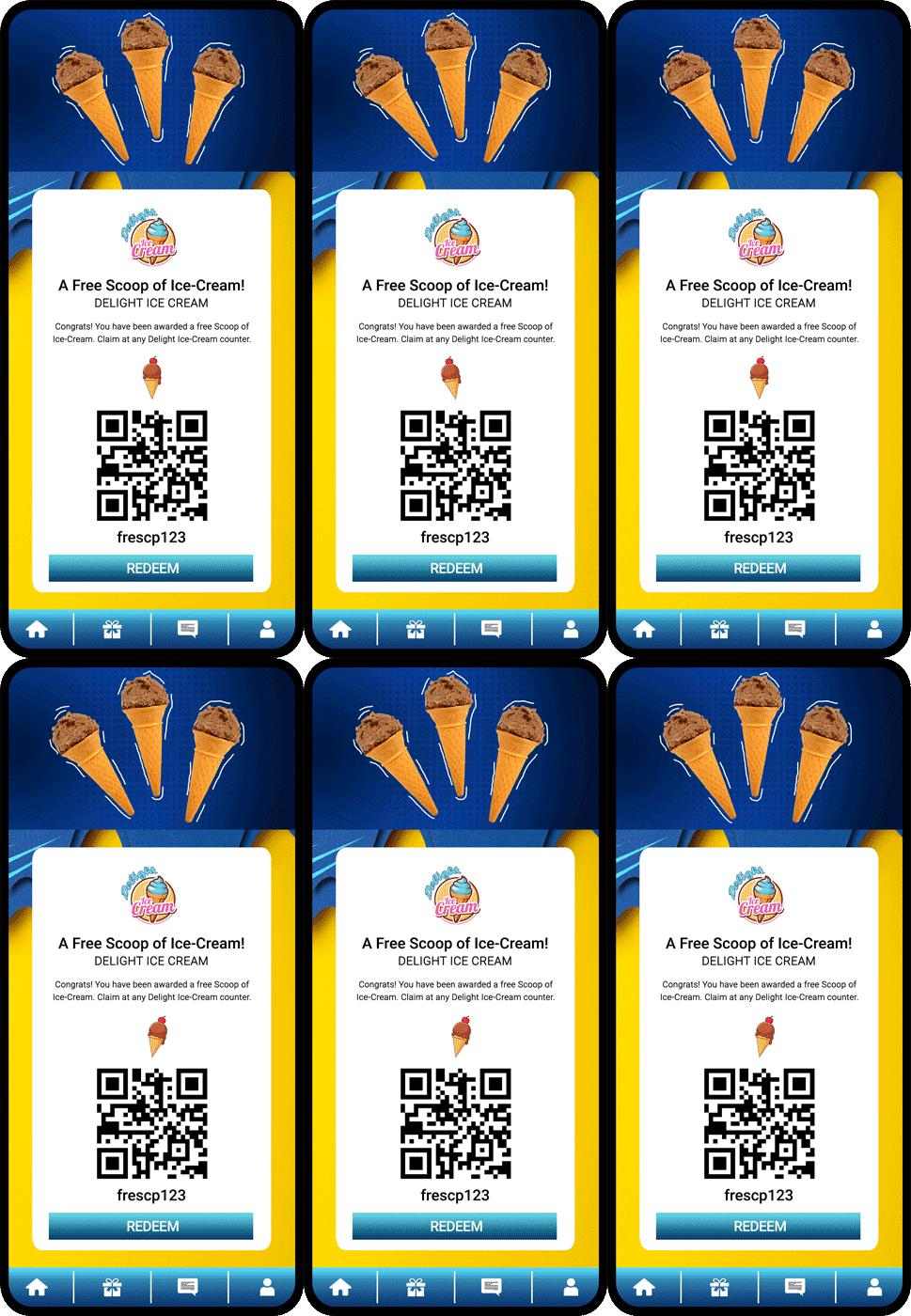
According to research published in the International Journal of Research in Marketing, the mere decision to redeem a reward—even a small one—significantly increases purchase behavior before and after the redemption. This “redemption momentum” drives engagement without relying on pressure to accumulate more points.
Most brands focus on getting customers to earn points. But loyalty isn’t built when customers accumulate—it’s built when they redeem.
To understand this, let’s look at these data points –
Members who redeem rewards spend over 3 times more annually than those who do not.
Incremental annual revenue growth from loyalty program members is 12–18%.
What it implies is that frequent redemption leads to more purchases and keeps your brand top of mind and builds emotional stickiness—the kind of loyalty that competitors can’t buy.
In this article we’ll tell exactly how you can increase redemption rates and drive frequent redemptions.
Step 1: Audit Your Program
Begin by asking yourself these five questions:
What’s our current redemption rate? (Redemption Rate (%) = (No. of Points or Rewards Redeemed / Total No. of Points or Rewards Earned) x 100.)
How long does it take the average customer to redeem their first reward?
How many steps are required to redeem? (Each step loses 20-30% of customers.)
Are our rewards relevant to different customer segments?
When was the last time we communicated redemption opportunities?
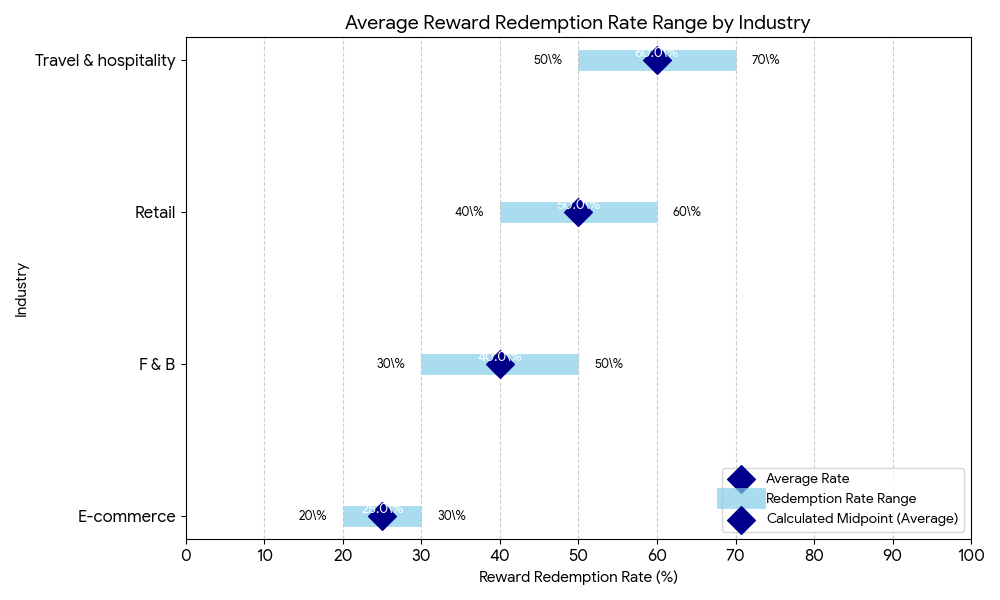
The average redemption rate is between 20% and 50%. If your redemption rate is under 20%, or if customers wait months for their first redemption, you have a problem.
Step 2: Identify barriers to Redemption in your Programs
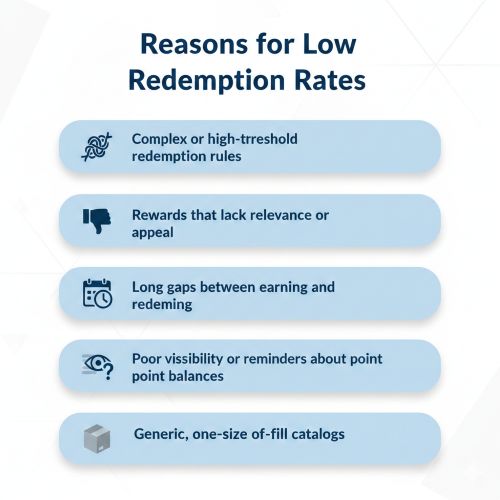
Low redemption rates usually reflect design issues, not lack of interest. Common friction points include:
Sometimes, low redemption may indicate strategic saving—customers holding out for something aspirational. But when that’s the only pattern, you lose momentum between earning and spending.
Step 3: Increase Redemption Rate & Frequency Here are some ways!
To boost redemption, simplify access and make the experience enjoyable. Here’s what works—backed by research and field-tested campaign results.
1. Relevant rewards
Redemption is directly linked with reward relevancy. If the reward is not relevant, the customer would not bother to redeem it.
Different segments behave differently:
Women- Saving/personal care – percentage off on bill/discounts/free products.
Working professionals: Strategic redemptions for meaningful rewards like F&B vouchers, free gifts.
VIPs: Look for aspirational, exclusive rewards.
Show rewards based on what’s achievable, relevant, or trending.
These small UI cues increase redemption intent significantly by making rewards feel curated and time-sensitive.
2. Introduce Micro-Redemptions
Allow small redemptions for quick wins—like a snack, coffee, or day x% off.
Frequent, small redemptions build stronger habits than occasional big ones.
“Use 100 points for a snack bar or a 2% discount.
3. Gamify the Redemption Experience
Gamification transforms redemption from a transaction into a moment of delight.
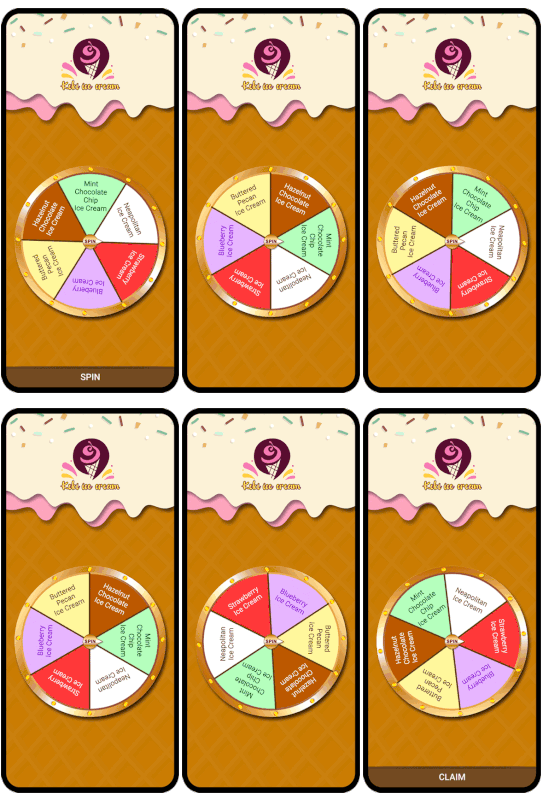
Use lucky draws/sweepstakes, spin wheels, mystery boxes, or digital lucky draws that can be entered using loyalty points.
Example: After a purchase, customers receive a link to— “Use 100 points to play Spin & Win—guaranteed prizes await!”
Gamified redemptions create a sense of earned joy—and customers value what they’ve earned more.
Use trivia/contests—250 points to answer trivia and win exciting prizes/free goodies.
4. Experiential rewards
Ask customers to use points to redeem experiential rewards.
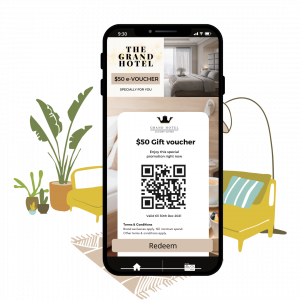
For example, staycation vouchers or travel tickets, or limited-edition products that can inspire customers to earn more points and redeem them.
5. Nudge Behavior with Smart Communication
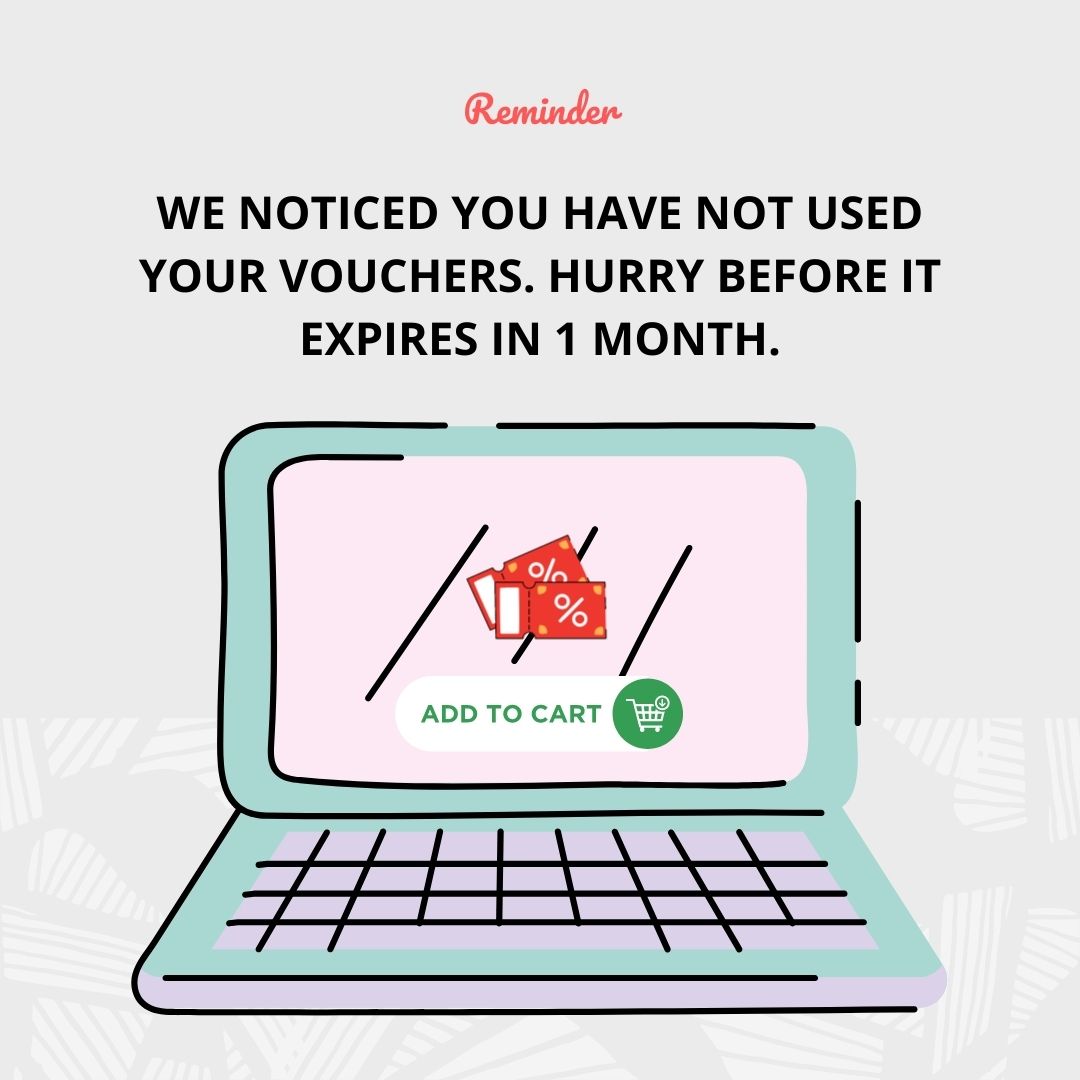
Don’t wait for customers to remember—remind them.
Push messages and time-based notifications can dramatically lift redemption. Example:“Your 500 points can get you a free coffee this week. Tap to redeem before Sunday.”
A retail study found that push notifications increased redemption more effectively than static communication.
6. Make Redemption Instant & Frictionless
When redemption feels like a chore, customers won’t do it.
The right technology can change that.
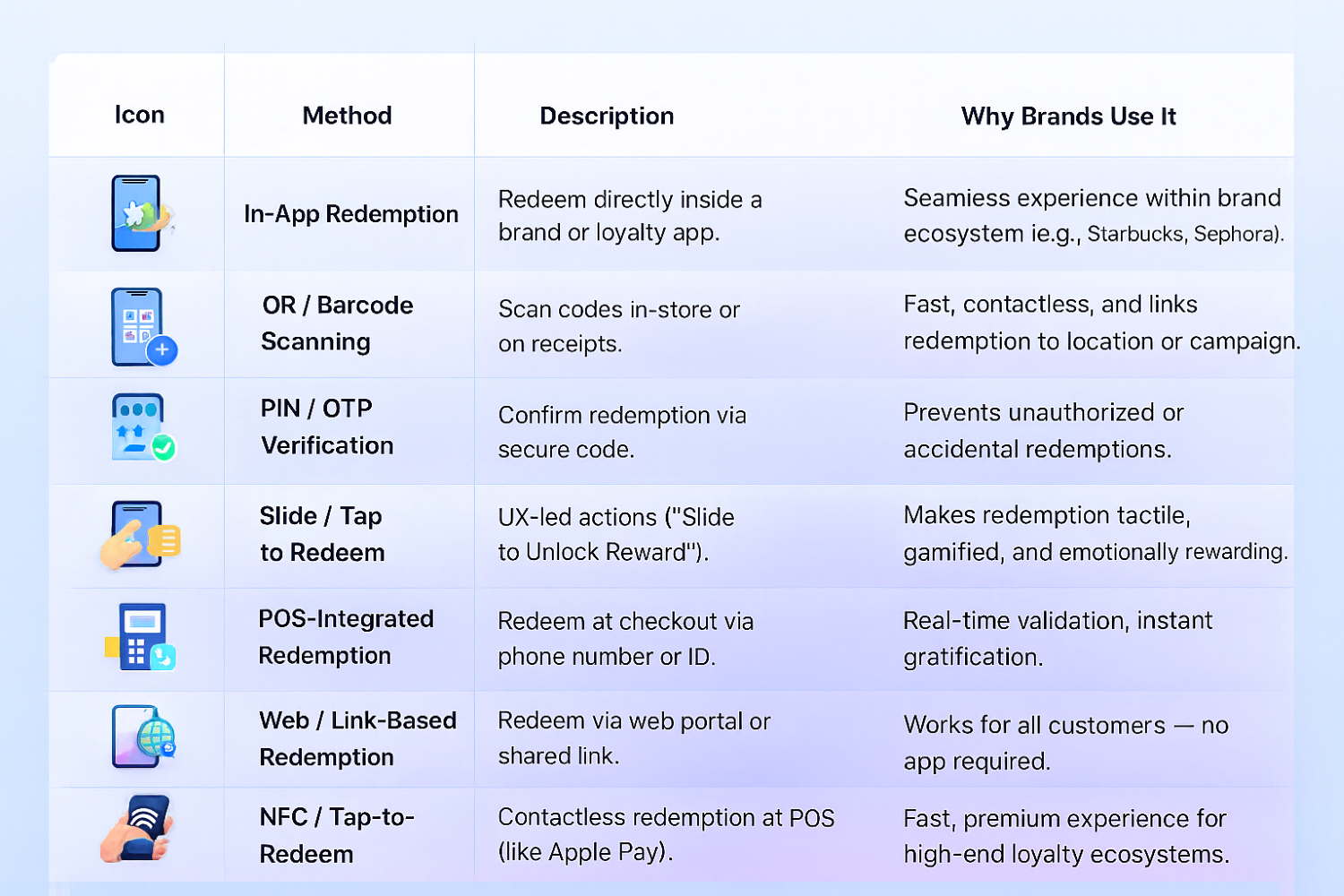
Here are common redemption methods brands use—and why they work:
Frictionless redemption is one of the biggest drivers of program engagement. Brands using instant, multi-mode redemption tech consistently see higher redemption rates.
The Engagement Loop: Redemption → Emotion → Loyalty
Frictionless redemption directly evokes a powerful emotional response of achievement. This psychological connection, built consistently through positive interactions with the program, is the key mechanism that drives and sustains long-term customer loyalty
Each redemption moment delivers an emotional high—satisfaction, validation, and joy. Repeated often enough, these moments turn transactional loyalty into emotional loyalty.
Frequent redeemers don’t just stay longer—they buy more often.
How Vouchermatic Enables This Shift
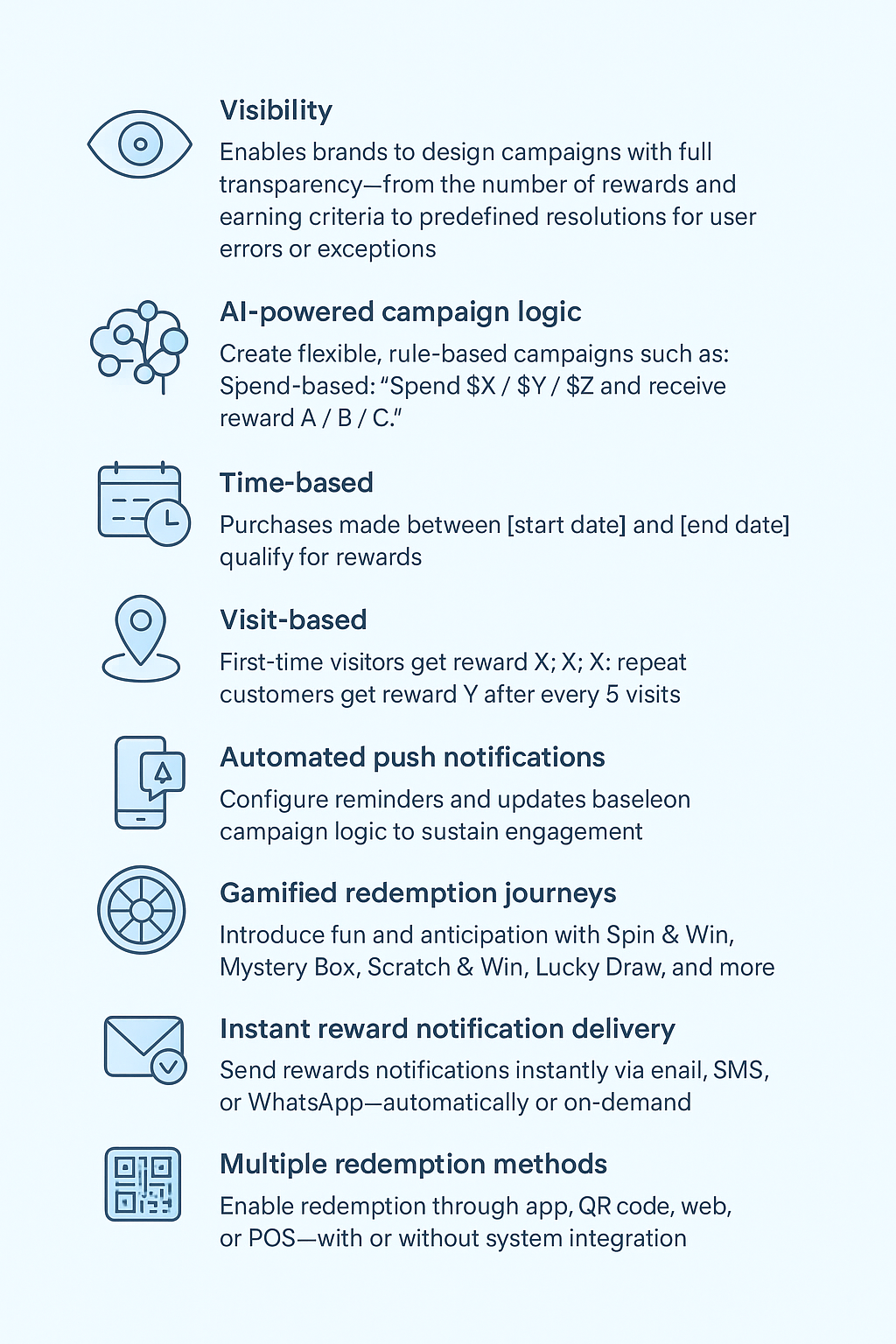
Vouchermatic’s infrastructure is designed to remove redemption friction and drive continuous engagement through:
In Summary
Redemption isn’t the end of the loyalty journey—it’s the heartbeat of it. Customers who redeem frequently are more engaged, more satisfied, and more loyal.
Brands that design for frequent joy, occasional rewards, and seamless journey will win in the long run.
We use cookies to ensure that we give you the best experience on our website.
The use of our service is subject to our privacy policy. If you continue to use this site we will assume that you are happy with it. Please refer to our Privacy Policy for details.